
Simplify triage, treatment, records, and charges for fast-paced urgent care teams.
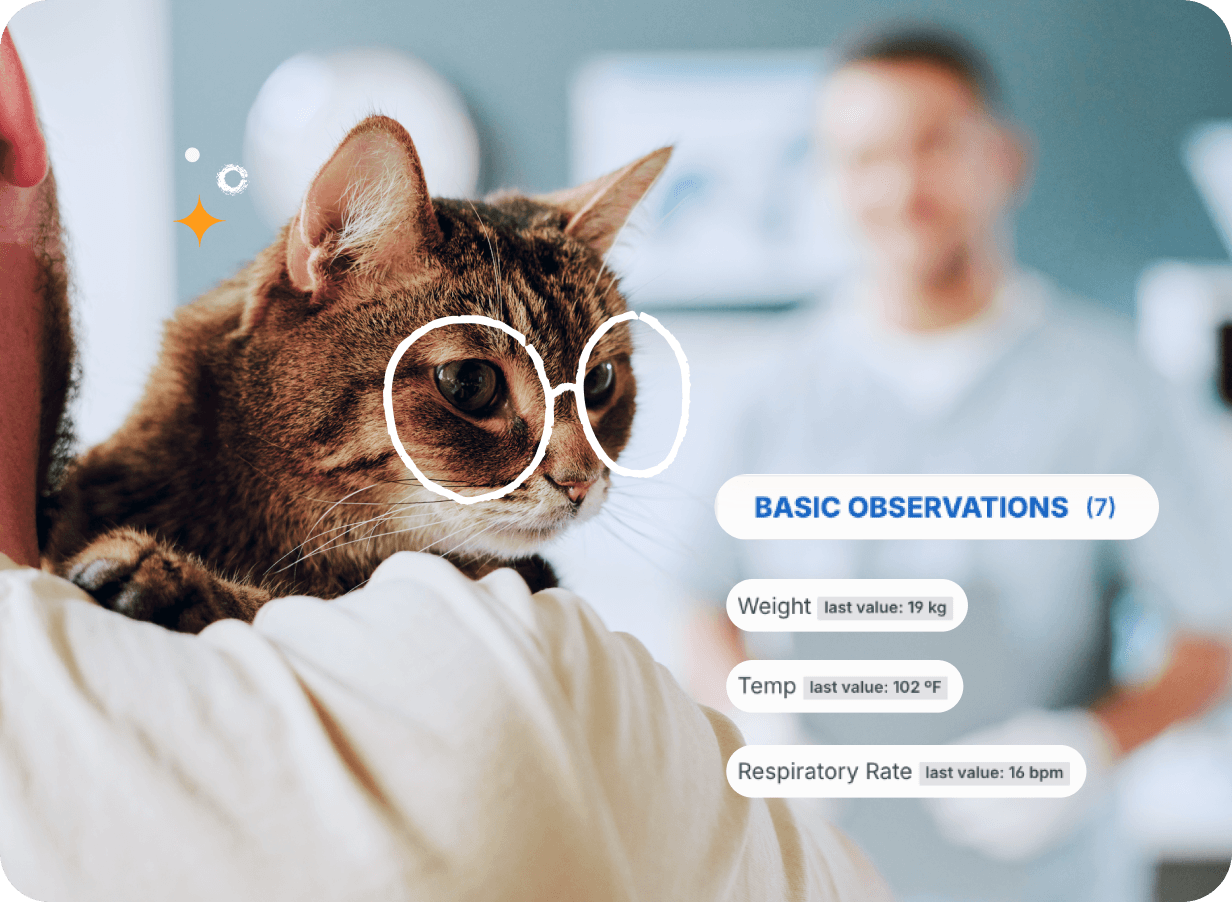

Trusted Software When Care Is Needed Most



Urgent cases arrive with uneven histories, anxious clients, and little warning. Without a clear intake path, patients can stack up before care even begins.

When rooms, tasks, and callbacks change by the minute, teams lose time asking what’s done, what’s next, and who’s in charge.

On-premise and legacy PIMS weren’t built for the pace of urgent care. Slow screens, server upkeep, and rigid workflows add drag when time is of the essence.

Urgent care handoffs can involve clients, primary veterinarians, and referral partners. When instructions and records live in too many places, follow-through gets harder.

During busy stretches, teams treat first and clean up later. Notes, charges, and patient timelines can fall behind, creating end-of-shift catch-up.
“We had paper copies of everything, and I just was never a fan of it—treatments get lost, something gets missed.”

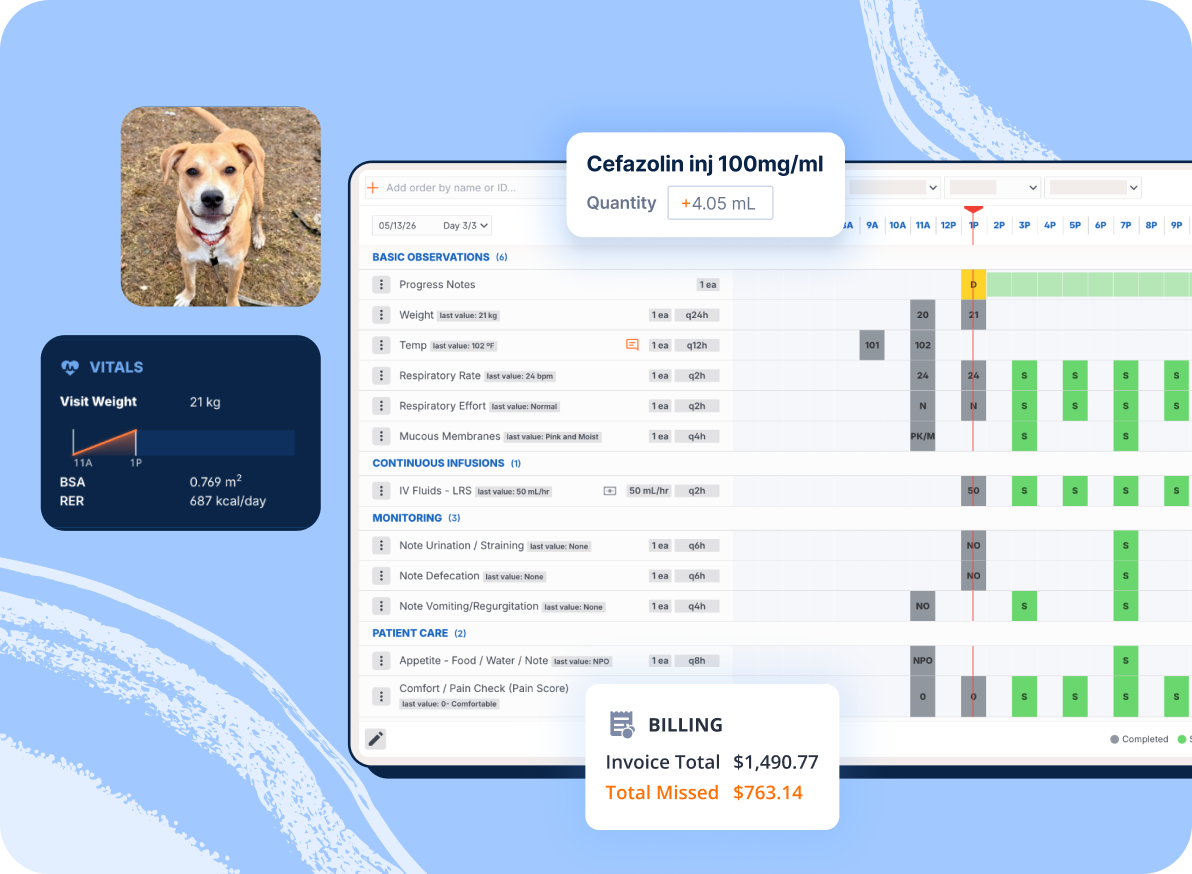
Urgent care cases move fast, and details can get scattered across triage, diagnostics, treatments, notes, charges, and discharge. When the full visit lives in one place, teams don’t have to track it across separate tools or conversations. That means fewer missed details, fewer handoff gaps, and fewer surprises at checkout.

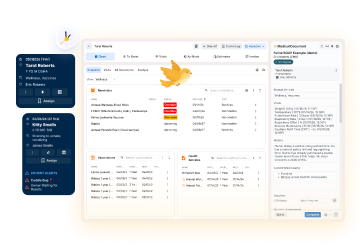
When urgent care gets busy, it’s easy to lose track of which patients are waiting, which tasks are assigned, and what needs to happen next. Keeping patient status, tasks, and next steps visible helps the whole team see where each case stands. Everyone can focus on what needs attention without stopping to ask for updates.
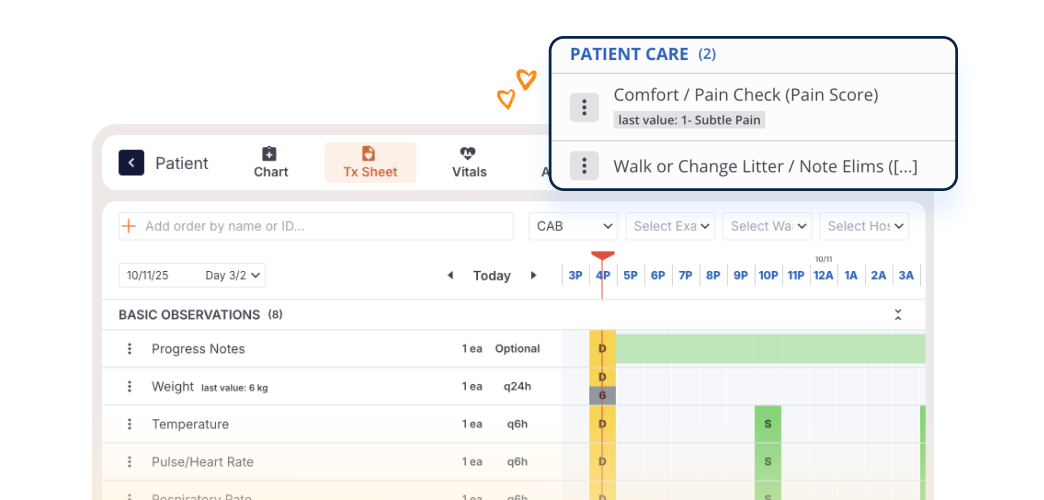
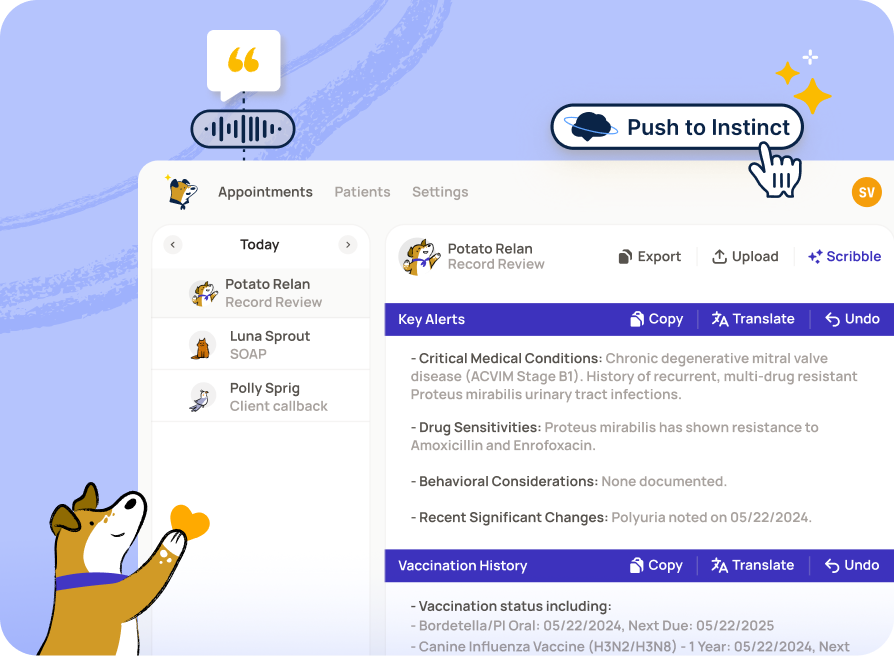
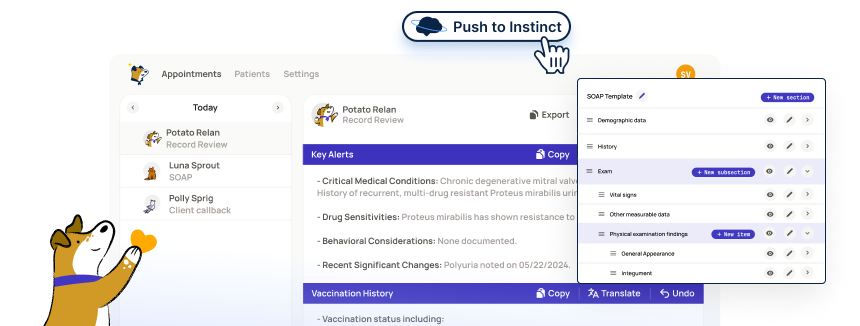
In urgent care, documentation can fall behind quickly when the team is moving from one case to the next. Drafting SOAP notes from the visit and capturing patient details during care helps keep records current while the details are still clear. That means less time adding details later and less charting after the shift ends.
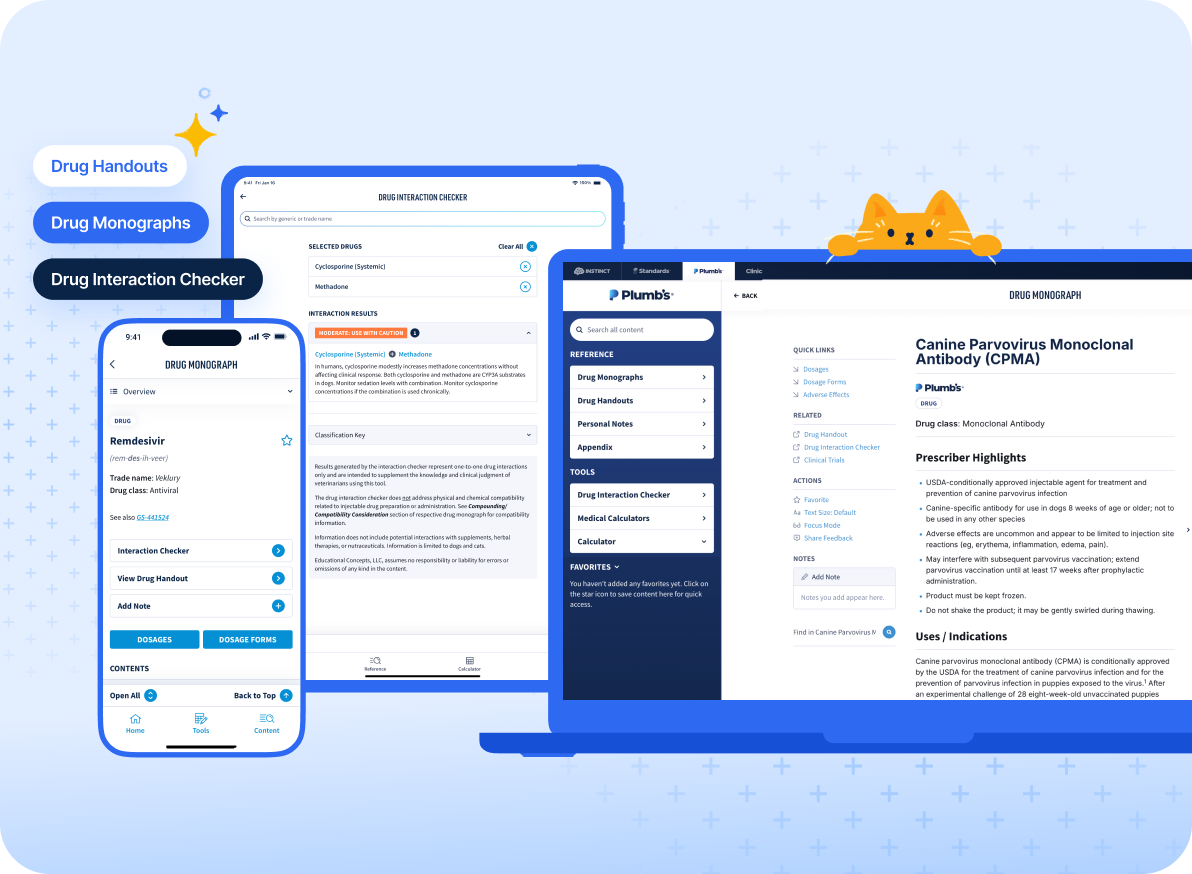
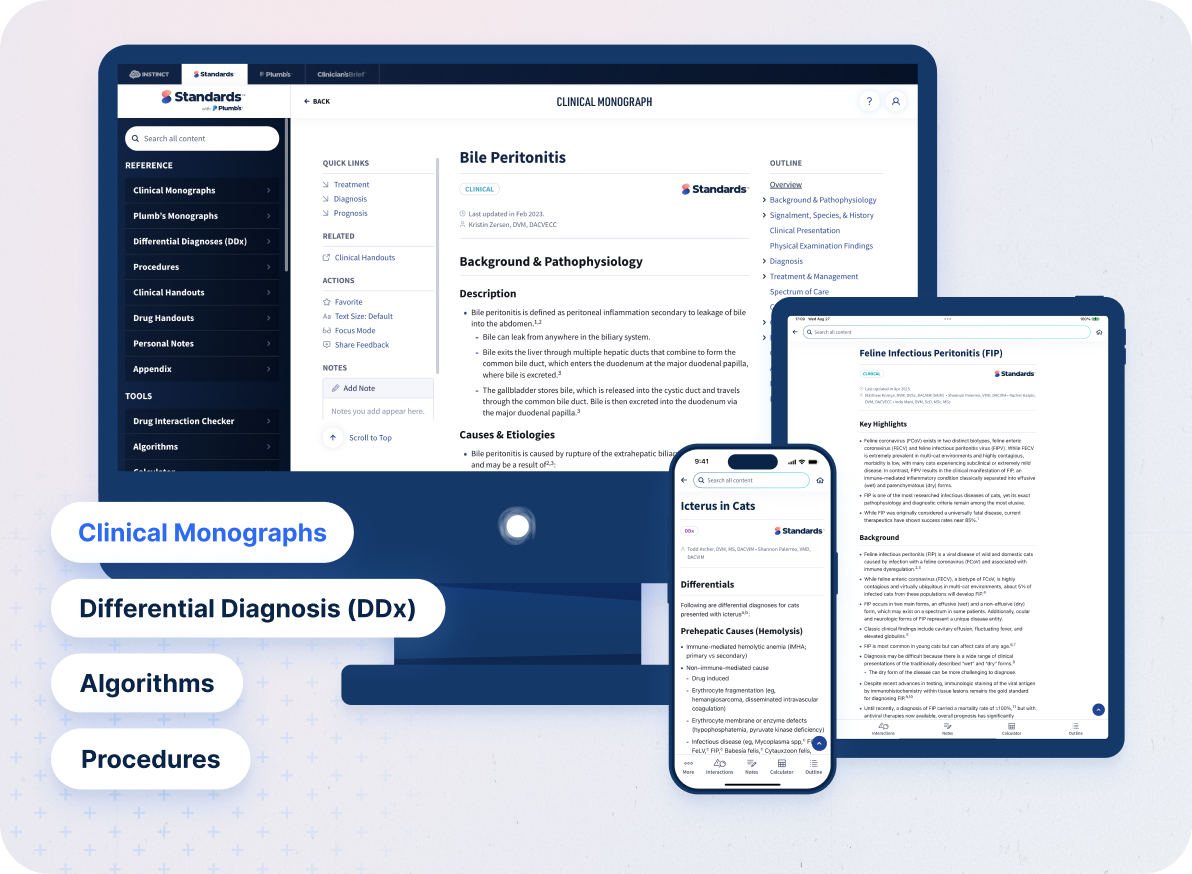
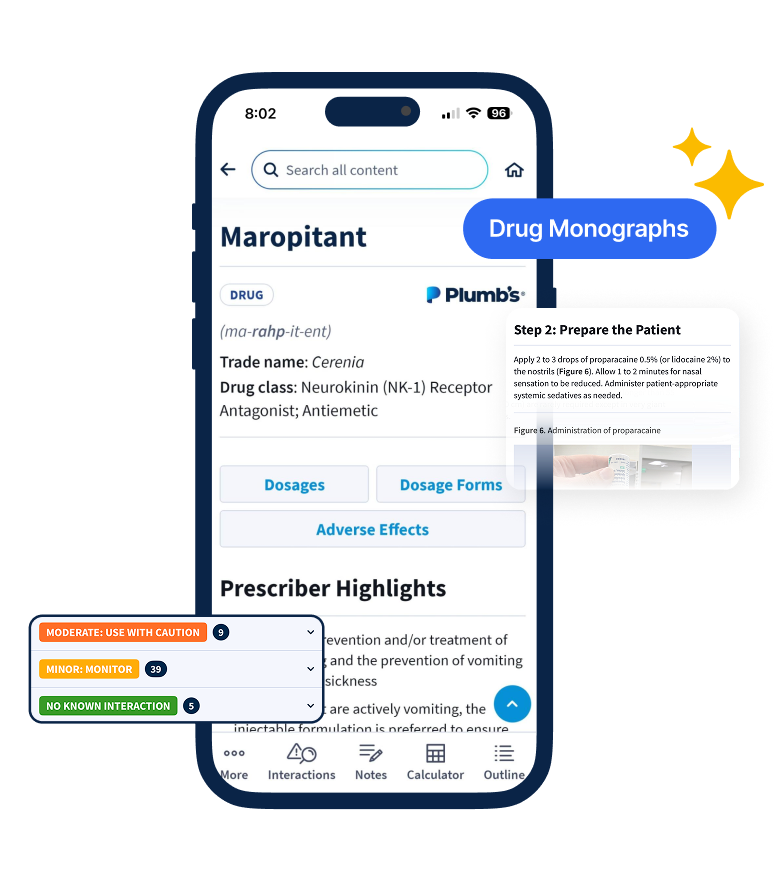
Urgent care teams don’t have time to dig through multiple tabs, calculators, and references between patients. Keeping clinical guidance, drug information, dosing calculators, and interaction checks close at hand helps teams find trusted answers faster. That supports faster medication, diagnostic, and treatment decisions during busy shifts.
Urgent care teams can’t afford slow access, server issues, or software that gets in the way when cases keep coming. Cloud-based software reduces server maintenance and gives teams access from the devices they already use, so the system supports the shift instead of slowing it down.
In urgent care, charges can slip through the cracks when treatments, medications, and diagnostics are added quickly throughout the visit. Capturing charges as care happens helps teams keep invoices accurate without relying on memory or manual cleanup. That protects revenue without adding more work to an already busy shift.


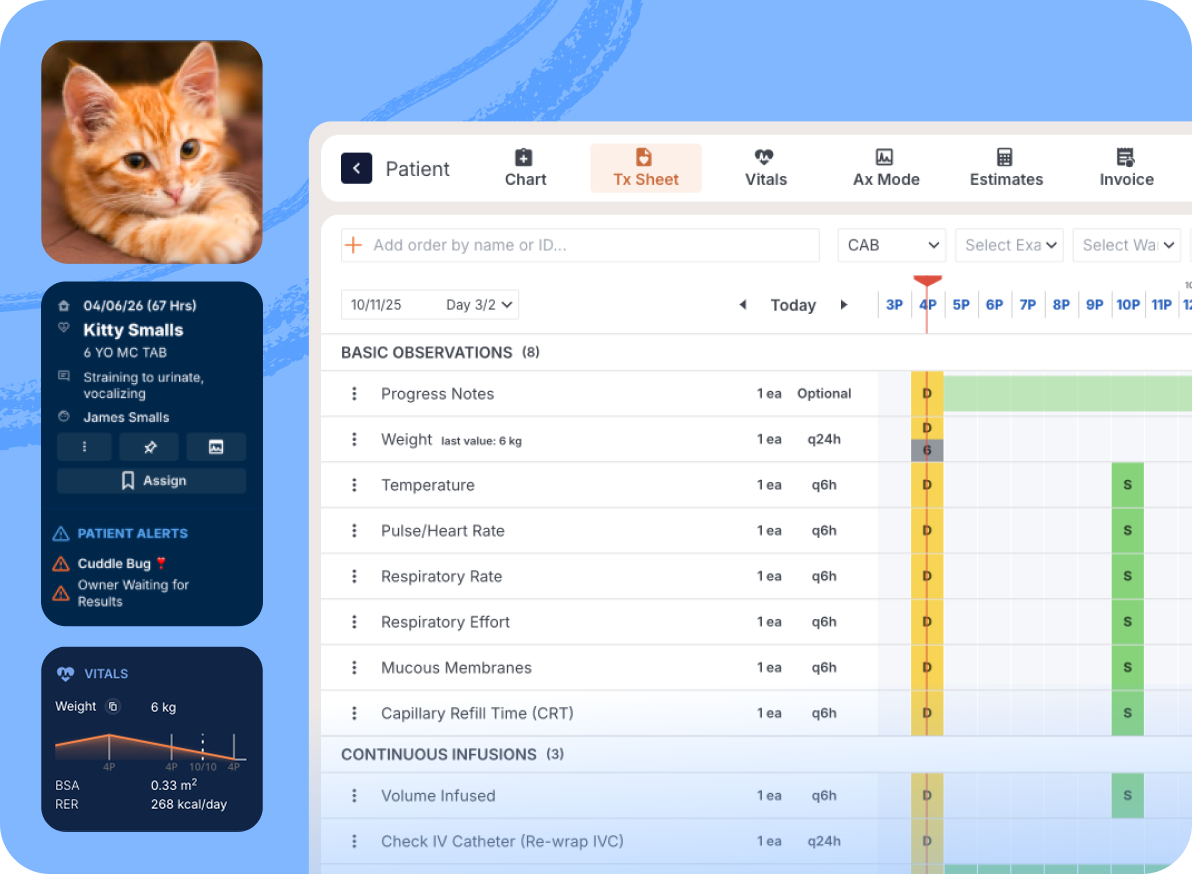
Instinct EMR helps urgent care teams manage high-volume, fast-moving cases in one cloud-based system, keeping triage, diagnostics, treatment plans, records, charges, and discharge connected when the schedule fills up.
Explore Instinct EMR


Instinct helps make things run smoothly. There’s always somewhere for assistants or technicians to find information prior to having to ask the doctor, especially if they’re busy. I’ve had other systems I’ve worked with, but Instinct has been my favorite.
Carissa Henry
Practice Manager at East Carolina Animal Emergency in Elizabeth City, North Carolina
Read More